Overview
M. acuminata × balbisiana (AABB), cv. Ducasse
Other names: Sugar Banana, Kluai Nam Wa
Pollination: self-fertile
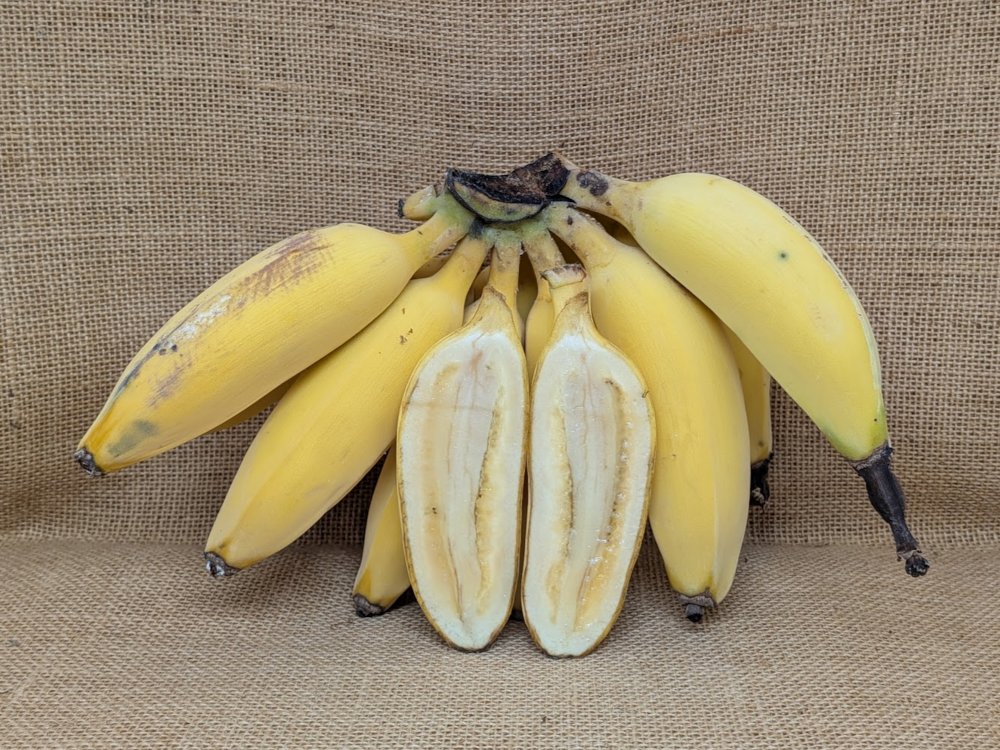
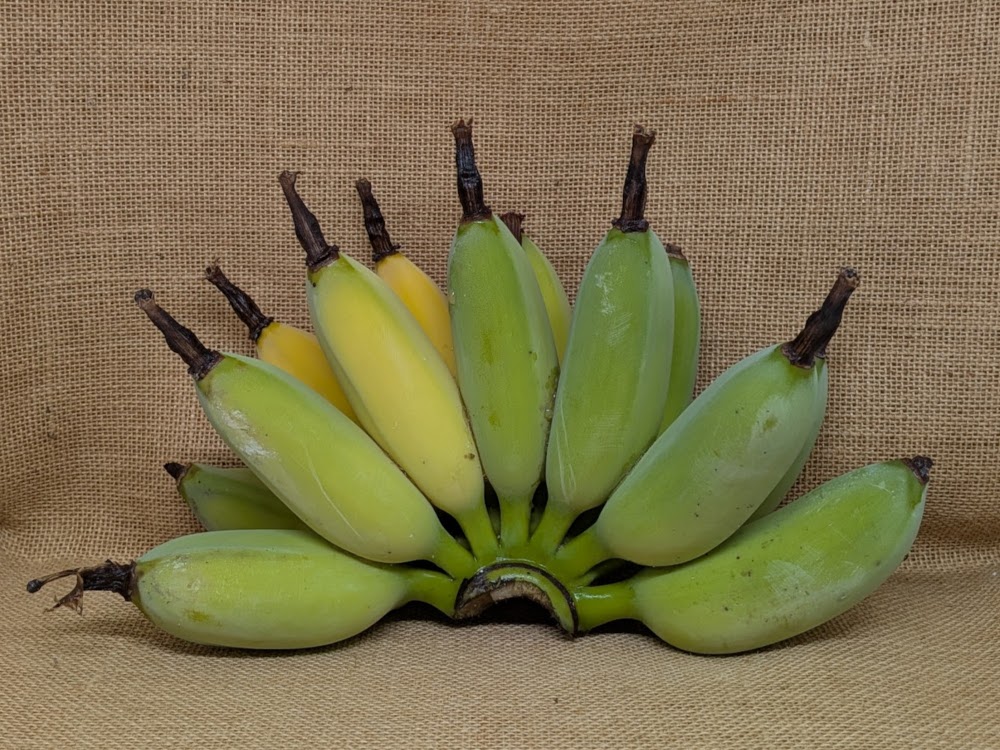
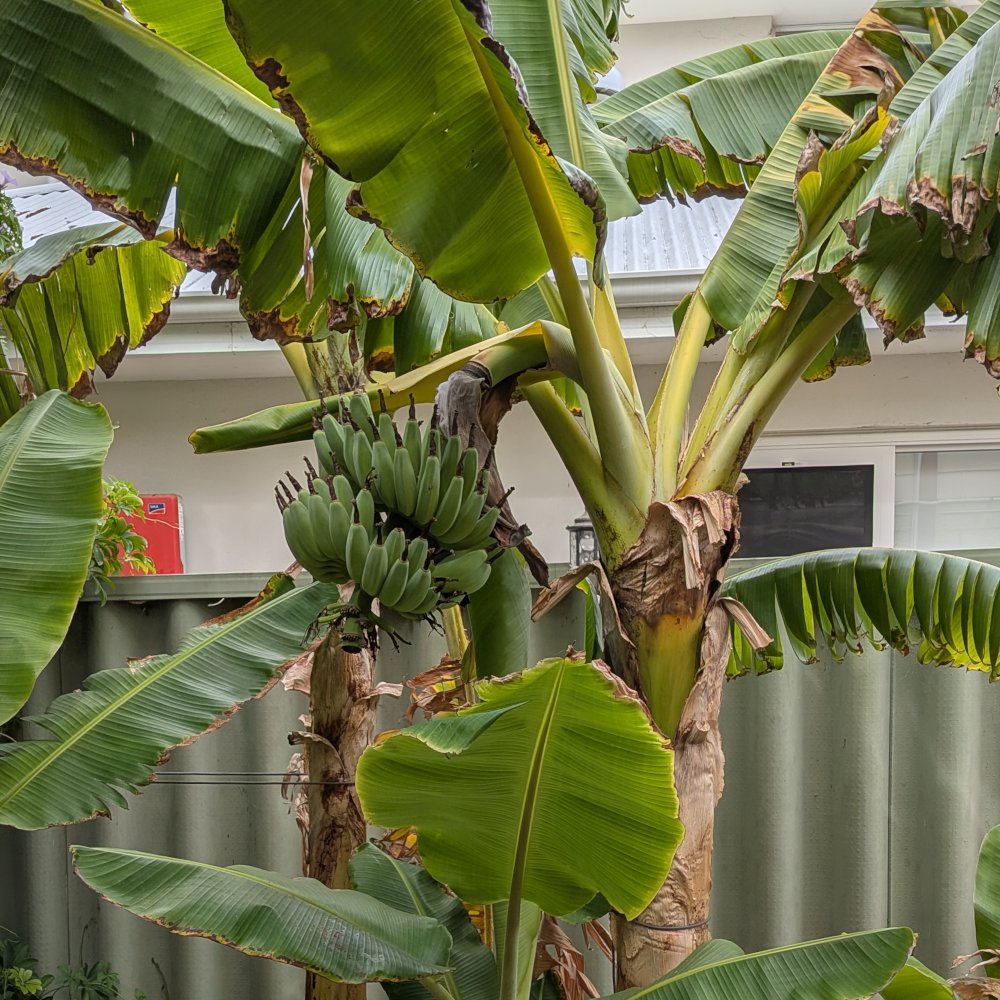
The Ducasse banana originates from Thailand, where it is known by the name Kluai Nam Wa (source: Specialty Produce). It is a short, stubby banana that is particularly sweet though a little dense. It is one of the main cultivars in circulation around Australia, and it seems to be the best adapted to my hot Perth climate. It is an extremely robust-looking plant, with a nice girthy pseudostem (bananas are technically herbs so they don’t have “trunks”) and large, luscious leaves. Some people classify it as a dwarf because it doesn’t tend to grow very high, though I have found it can get quite wide. In any case, these features all contribute to it being less susceptible to wind damage than, say, a Blue Java which grows tall and skinny. It was the first to bear fruit for me despite it being planted a season later than some of my other banana varieties.
Buds
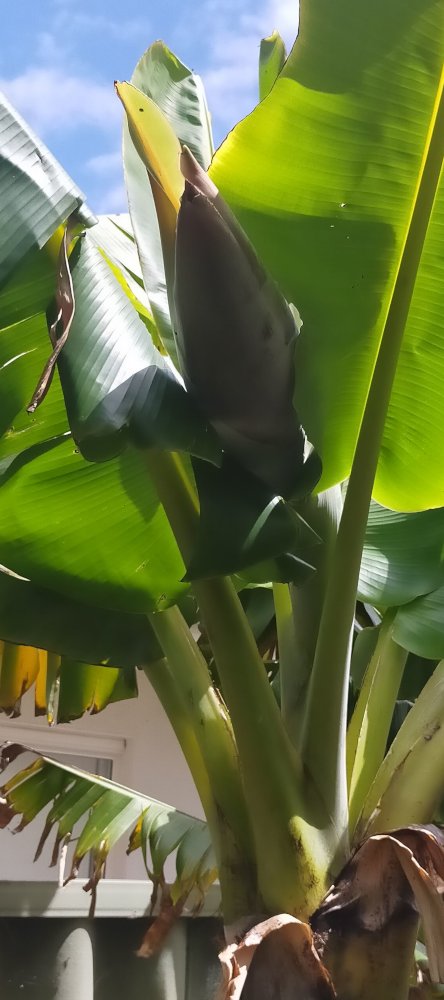
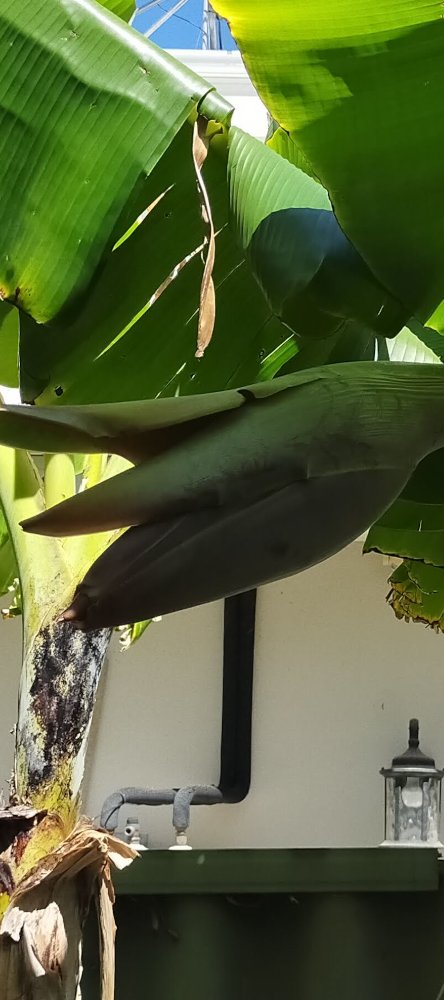
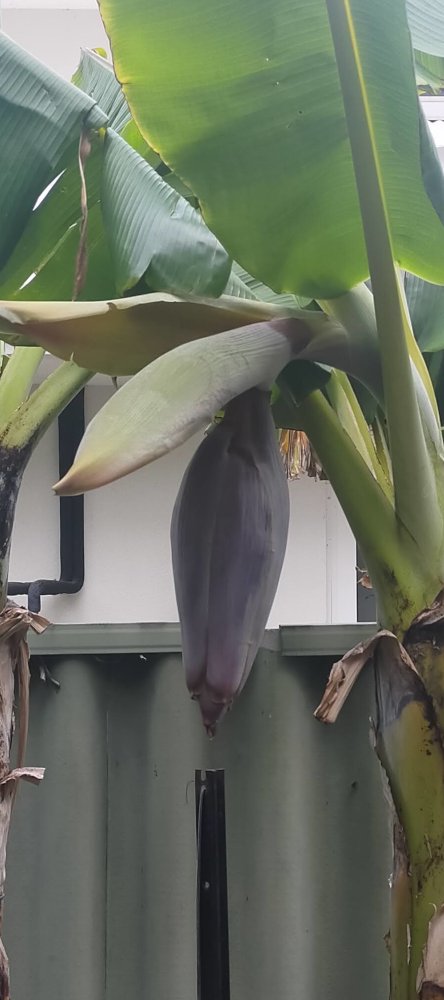
After the base of the pseudostem swelled to an even greater size, it looked like Ducasse was pregnant and sure enough, a number of weeks later out popped a big, beautiful bell. The bud phase, if you can call it that, happened so fast that I could see progress from the morning to the afternoon. As the bell emerged, it went from pointing upwards, to pointing sideways, to pointing downwards under its weight. I presume this is the same with most banana plants.
Flowers
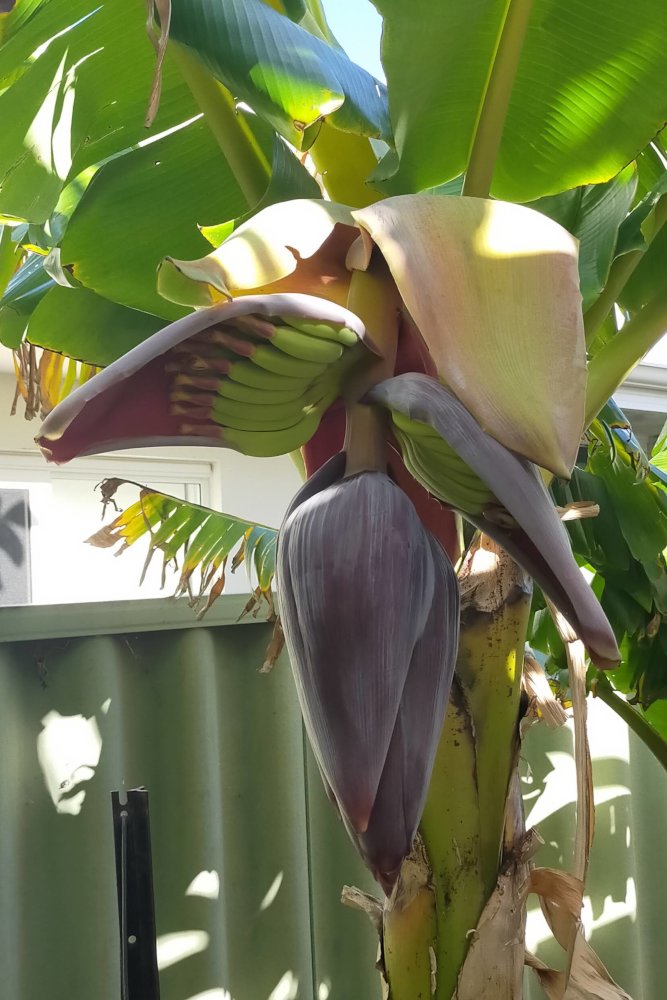
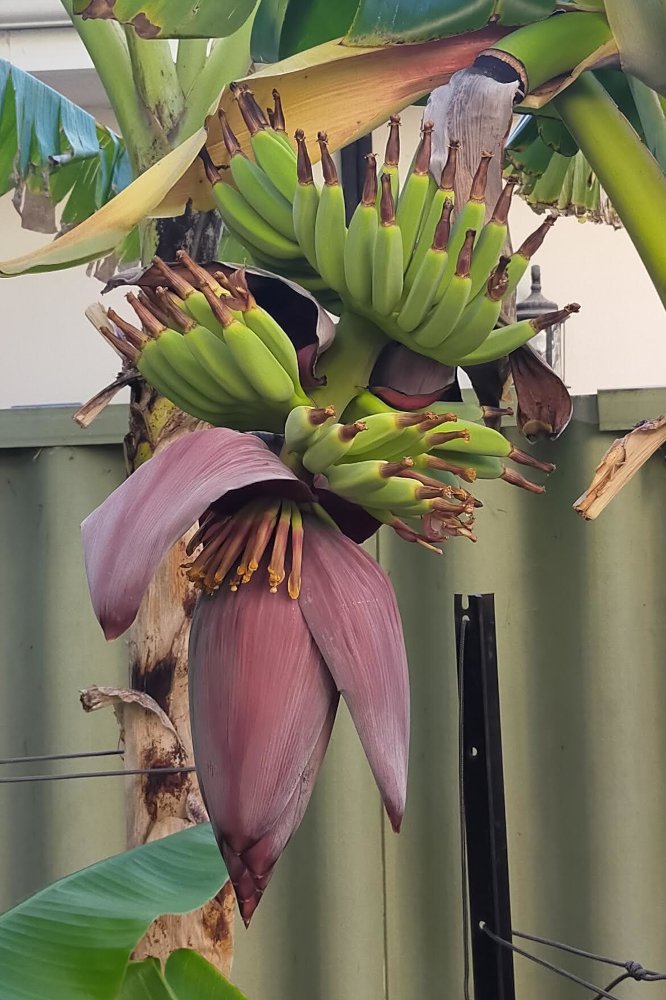
From here, the bell began to open up, one layer at a time, to reveal the flowers beneath. This part of the process also happened very quickly, with a new hand appearing every other day. The flowers are sort of tubular, appearing on the end of the green noodles (baby bananas) in a dull purple much like the underside of the layers of the bell. A significant amount of sugary sap appeared at this stage, like on the buds of the sweeter dragon fruit varieties.
Fruit
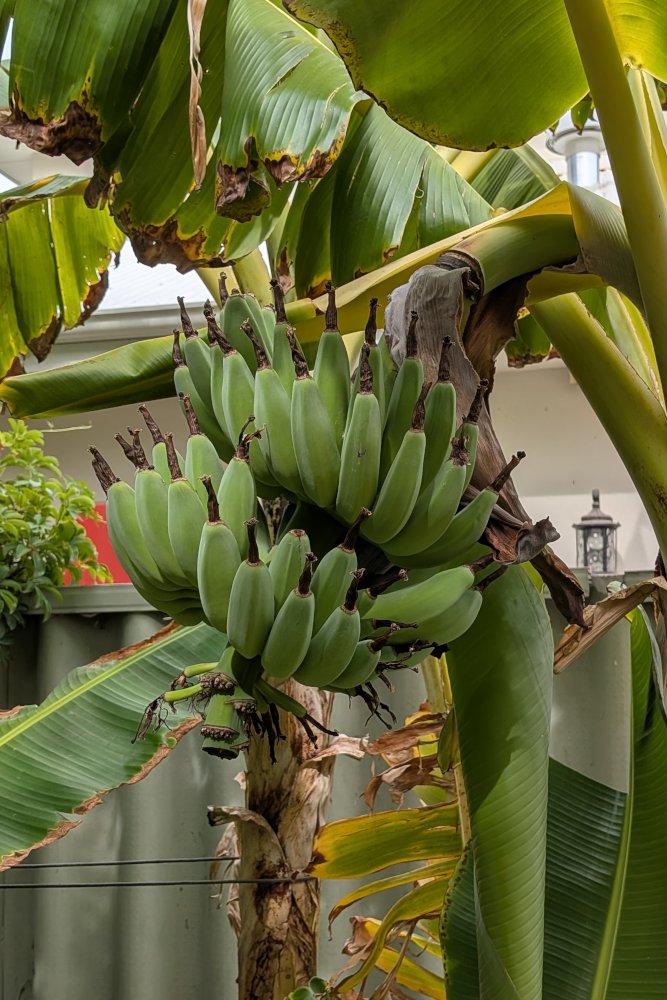
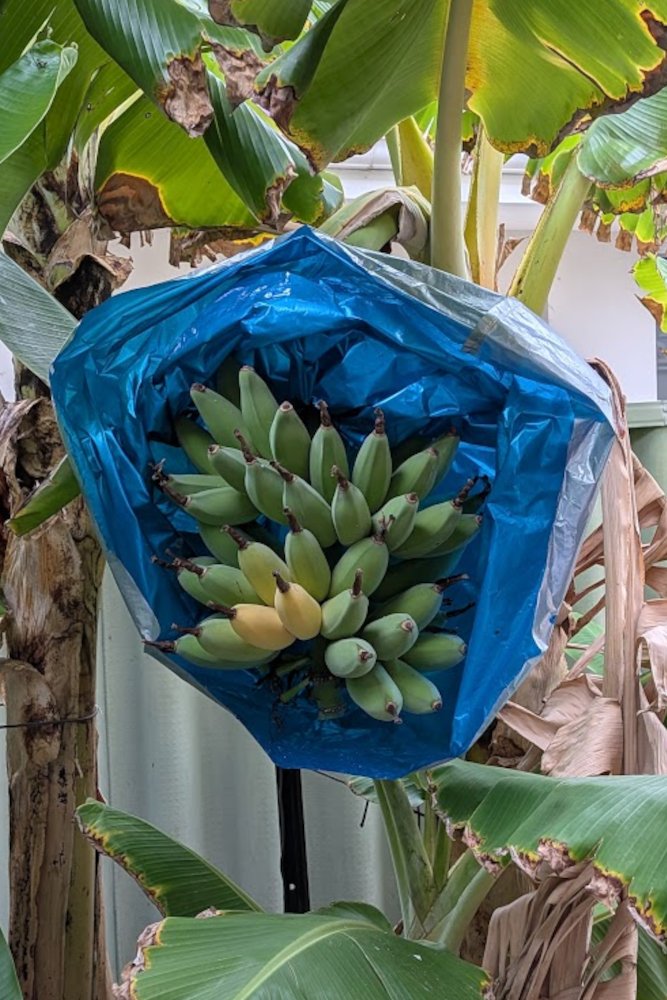
Here is where things began to slow down. After the final hand emerged, and the flowers had all been pollinated, there seemed to be almost no change for months on end. Ever so slowly the fruits began to plump up until finally, after six long months, the first sign of colour revealed itself. I harvested one hand at a time in an attempt to slow the ripening process, but things had sped up once again and before long I had to harvest everything. The fruit is short and round with a thin skin that is difficult to peel. For optimum flavour and sweetness, wait until the fruit develops a few brown patches.