Overview
Selenicereus megalanthus, cv. Palora
Other names: Ecuador Palora
Pollination: self-fertile
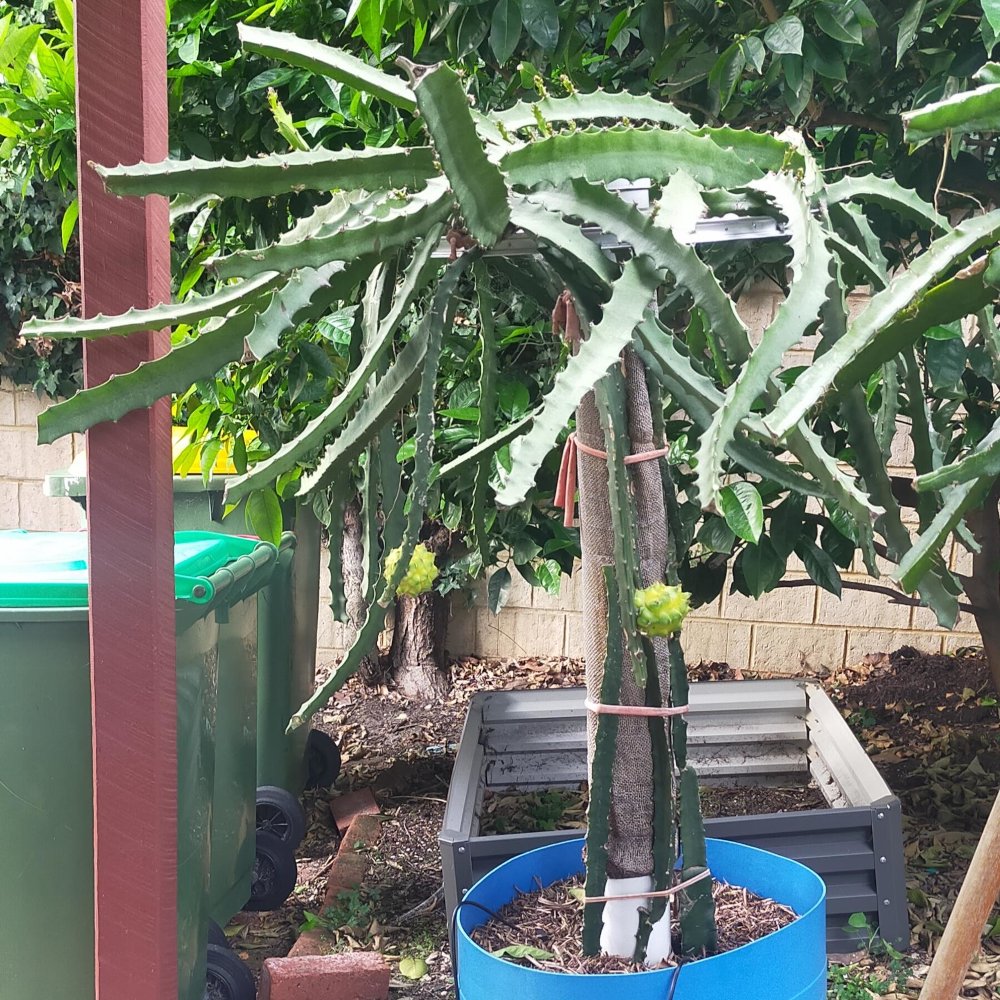
For many years, it was my dream to grow this variety here in Western Australia. I’d even designed origami models of it in anticipation of that special day, if it ever came, that I might hold one of these fruit in my hot little hands. Luckily, someone else shared this same dream, and I purchased a grafted specimen which used the material from a seedling he had grown. I can’t say it has quite yet lived up to its expectations, though it is certainly an improvement on the four years it took Yellow Colombiana to fruit! It is essentially a more vigorous and sun-tolerant version of this variety, with (hopefully in time) bigger fruit. The branches are wider and less 'wavy' which I find very attractive and unique. Thus, it is easy to tell the two apart from the plant alone. Definitely worth having if you’ve got a sweet tooth, and it fruits over the winter when most of the other dragons are dormant.
Buds
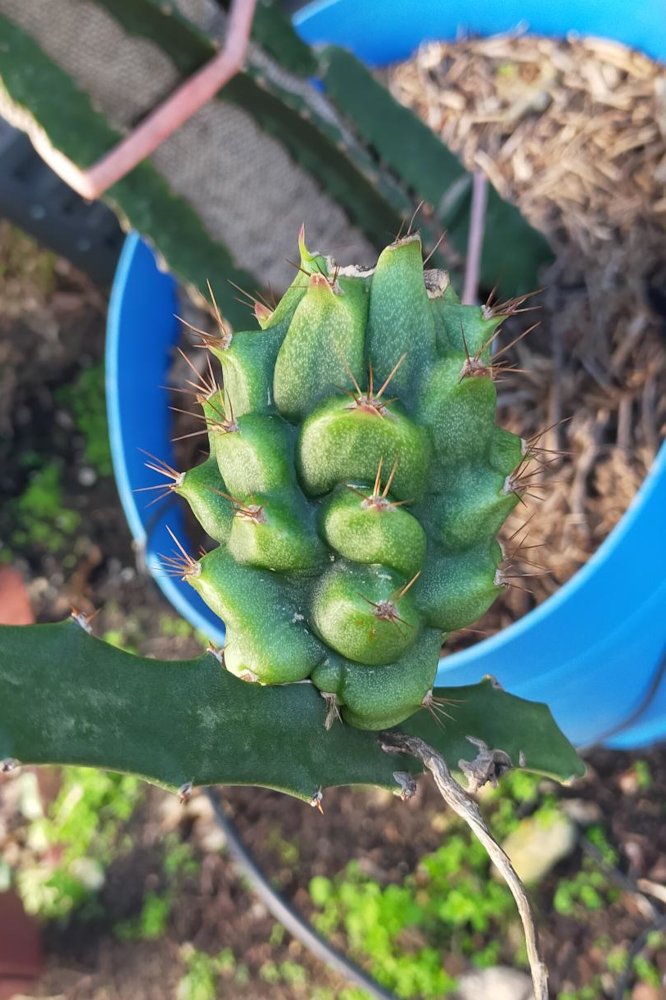
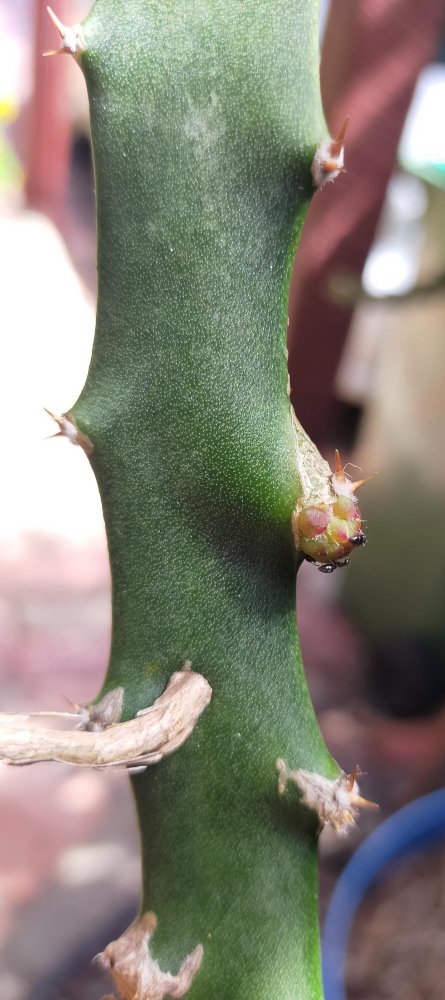
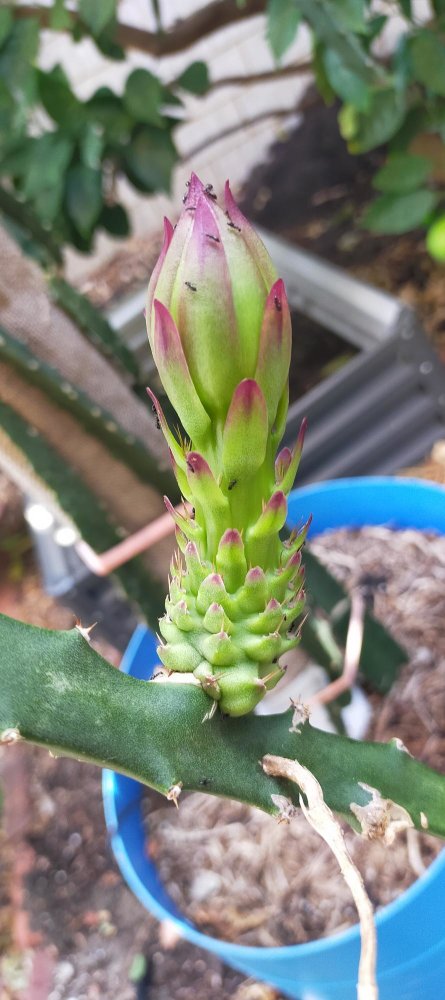
Palora buds are much like Yellow Colombiana buds, though the outer sepals (technically tepals) open up slightly more. This variety is supposed to be much quicker from bud to fruit, though considering I have only had flowers in autumn this difference was not noticeable. I find megalanthus buds a really cool thing to have in the garden as they snake their way to maturity.
Flowers
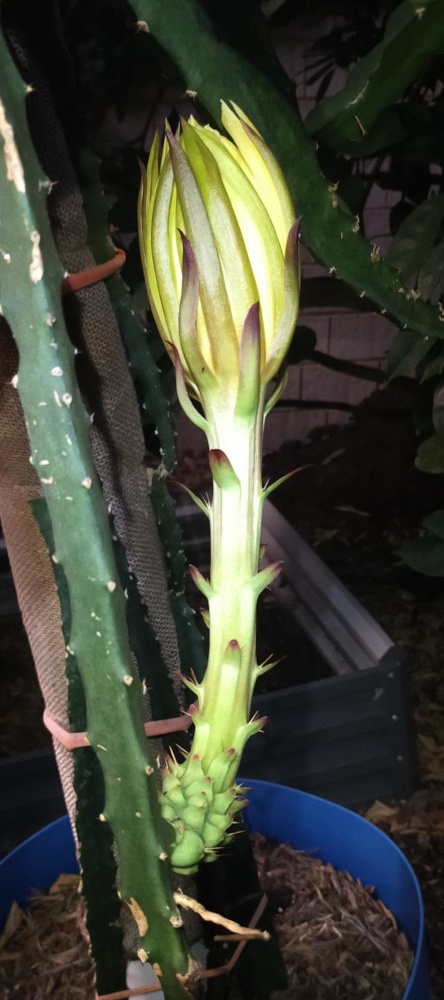
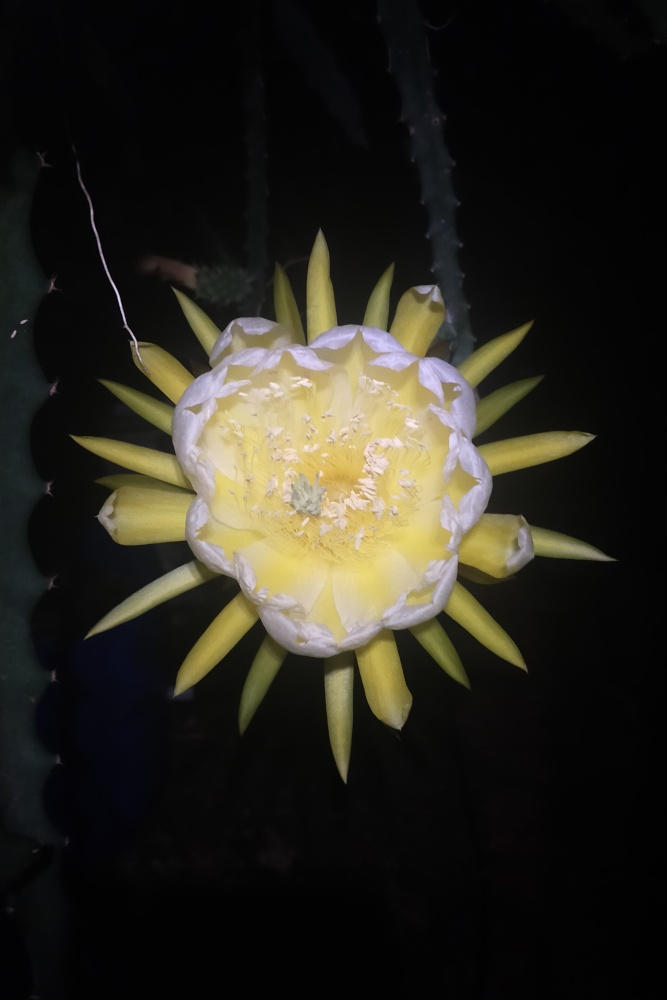
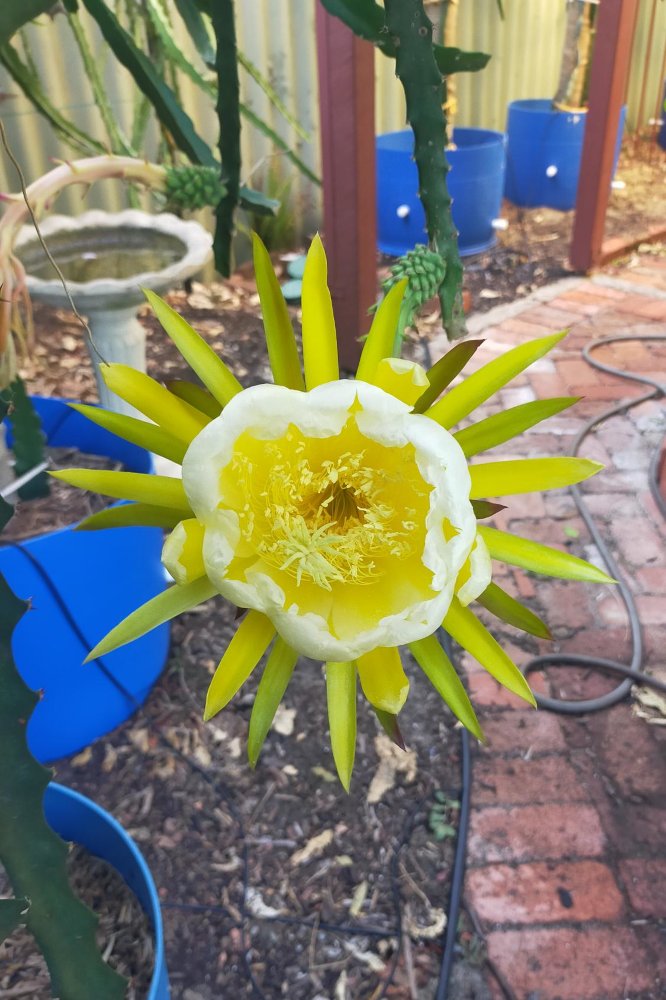
Comparing to its 'inferior' cousin, Palora has flowers that are almost identical in shape, though a deeper yellow. The petals form a lovely bowl shape that is a magnet for bees, and the stigma is buried within the anthers as it usually is for self-fertile varieties. I would advice against using Palora pollen to cross pollinate other varieties due to its very different genetics (being in another genus), unless you are going for a new hybrid.
Fruit
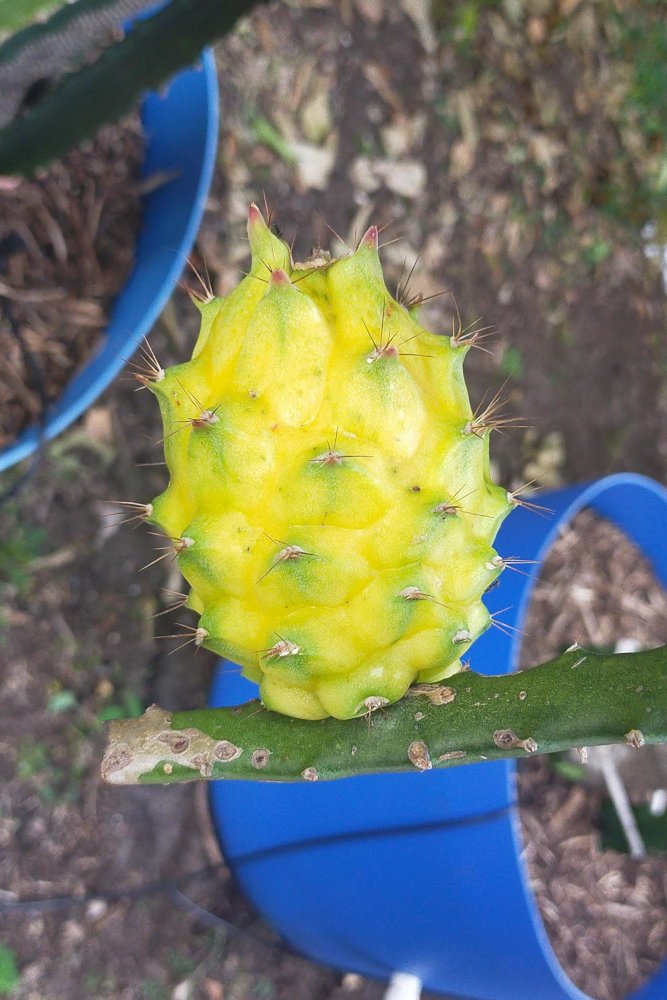
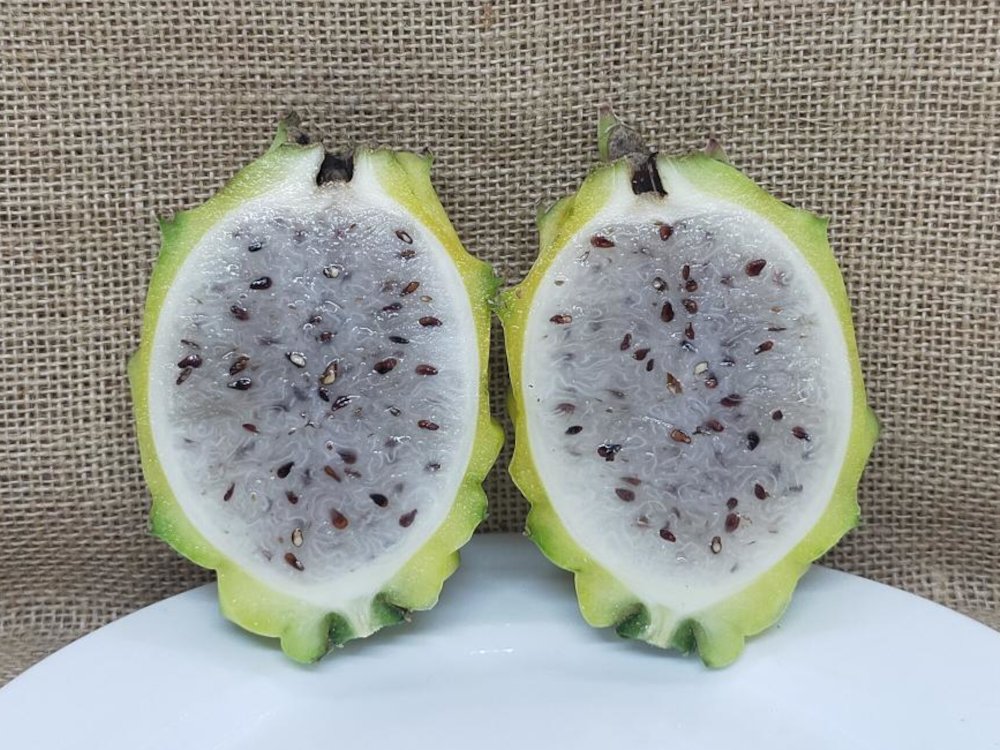
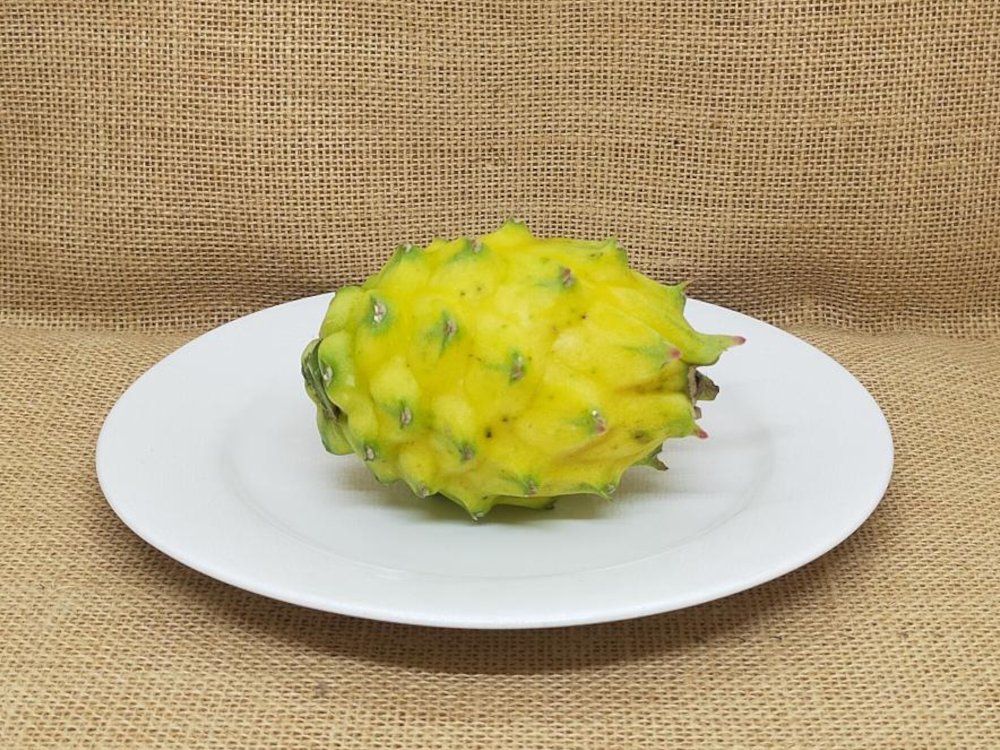
Continuing the comparison, the fruit of Palora is actually quite different to Yellow Colombiana, excepting the taste. The skin is a paler yellow, with fewer spines in a more geometric arrangement (which is what inspired me to create an origami model!). It is more rounded and perhaps more aesthetically pleasing. However, the taste is very hard to tell apart. Perhaps slightly less sweet, though still overwhelmingly sweet, with a honey aftertaste. A great treat on a hot day, and a natural laxative too so don’t eat too much!